Wildlife On The Mooloolah River: Dolphins, Birds And Turtles From A Cruise
The Mooloolah River and its canal estates give a cruise a quiet, still-water corridor past waterfront homes, moorings and the fishing fleet, and wildlife turns up along it without ever being promised.
Short answer
No river or canal cruise at Mooloolaba promises an animal. The Original 1-Hour Canal Cruise, from A$38 per person, 4.8 from 175+ reviews, stays inside the river and canal system where the operator says guests may catch a glimpse of the Osprey nest. Turtles are an open-coast matter: the Turtle Tour By Raft, from A$79 per person, runs to Mudjimba Island.
The Mooloolah River bends through Mooloolaba as a working harbour flanked by canal estates, and every river cruise here travels the same protected water. The question a wildlife hopeful actually asks is narrower than it sounds: not whether animals exist on the Sunshine Coast, but which boat, on which water, gives a fair chance of crossing paths with them, and what each operator is willing to put in writing. The answer, drawn only from what the operators themselves publish, is that river cruises promise commentary and scenery, never a sighting, and that the trips built around animals run outside the river altogether.
That split shapes everything below. Inside the river and canals, the operator of the Original 1-Hour Canal Cruise says only that guests "may even catch a glimpse of" pilot boats and the Osprey nest, wording that promises nothing. Outside the river, a whale-boat operator at The Wharf says dolphins, rays and turtles are not unusual on its ocean trip, and the Turtle Tour By Raft listing says turtles may be spotted on an open-coast run to Mudjimba Island. Two different waters, two different sets of expectations, and a big difference in what you can plan around.
What Wildlife Is Actually On The Mooloolah River?
No operator lists dolphins, turtles, or any other animals as residents of the Mooloolah River or its canals, and no river cruise promises a sighting. The only wildlife wording an operator publishes is that guests "may even catch a glimpse of" pilot boats and the Osprey nest, commentary rather than a guarantee, while dolphins, turtles, and whales appear only on open-ocean trip pages, never river pages.
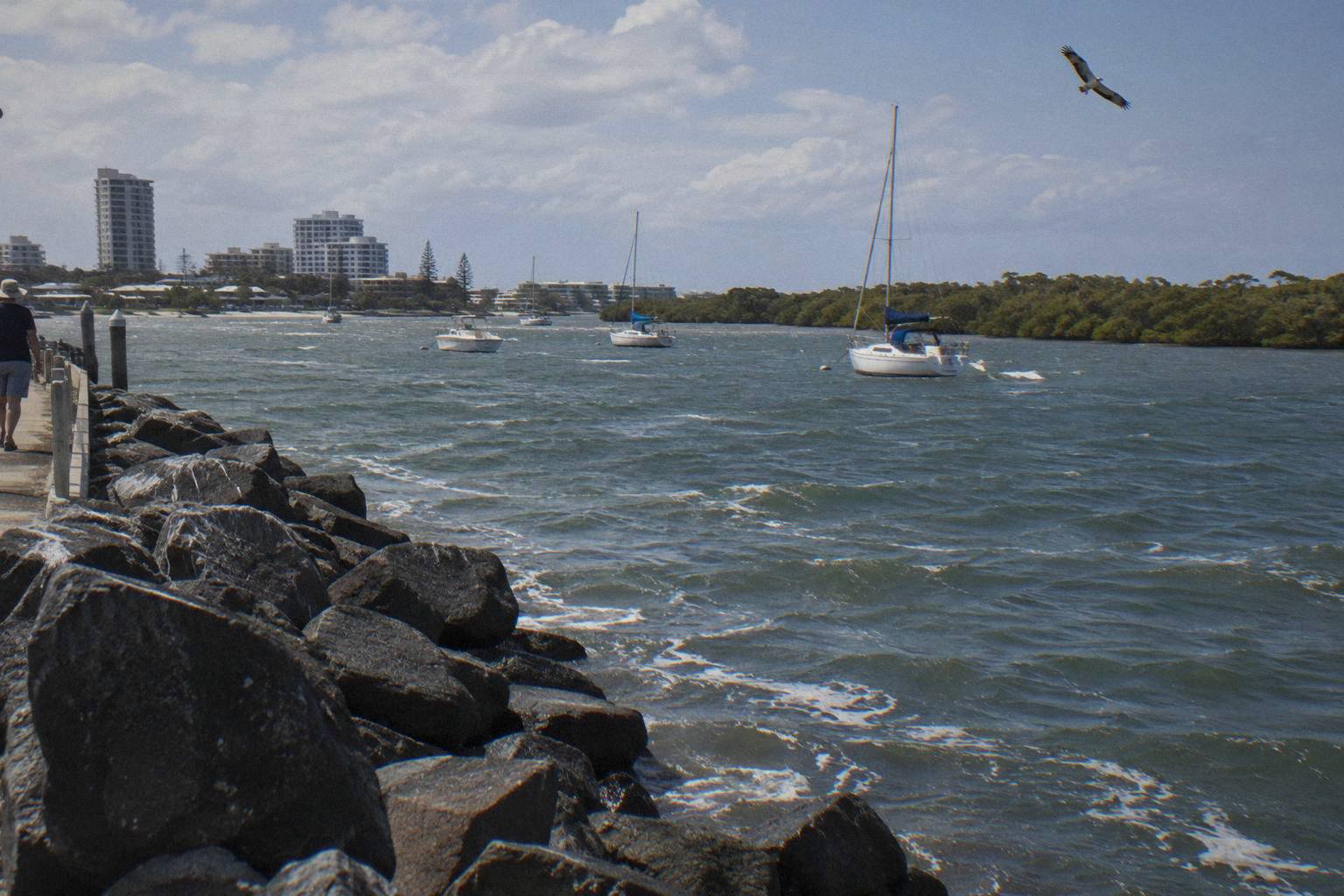
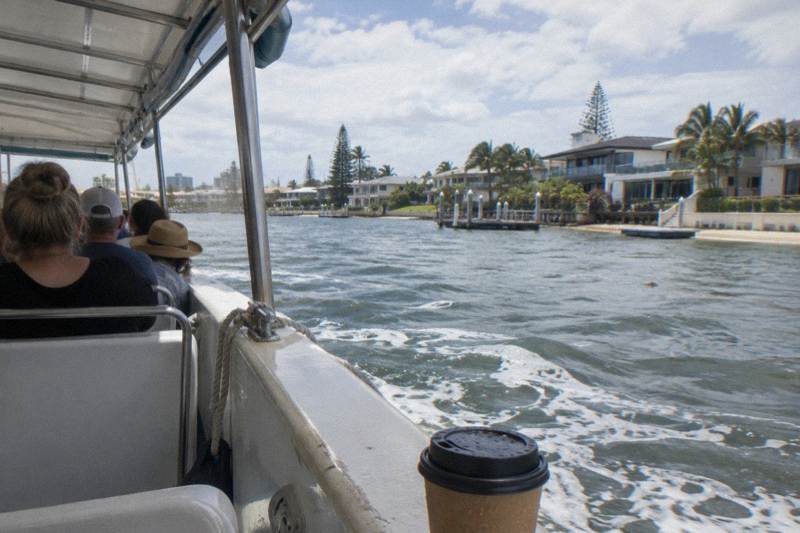
That gap matters because it is easy to arrive with a picture assembled from tourism photos taken elsewhere on the coast. The river itself is a harbour system: the operator of the Original 1-Hour Canal Cruise states plainly that "the boat does not leave the Mooloolaba Harbour River and Canal System", so the water it covers is the Wharf and Marina, Mooloolah Island, Minyama Island, the Kawana canal system through the Mooloolaba, Minyama and Buddina canals, and a run out toward the river heads past La Balsa Park. The route then returns past the Mooloolaba Marina and Yacht Club. It is a circuit of still water, waterfront homes and working moorings, with the fishing fleet the operator calls "Australia's largest long-line fishing fleet", an operator claim, as a fixed point of interest.
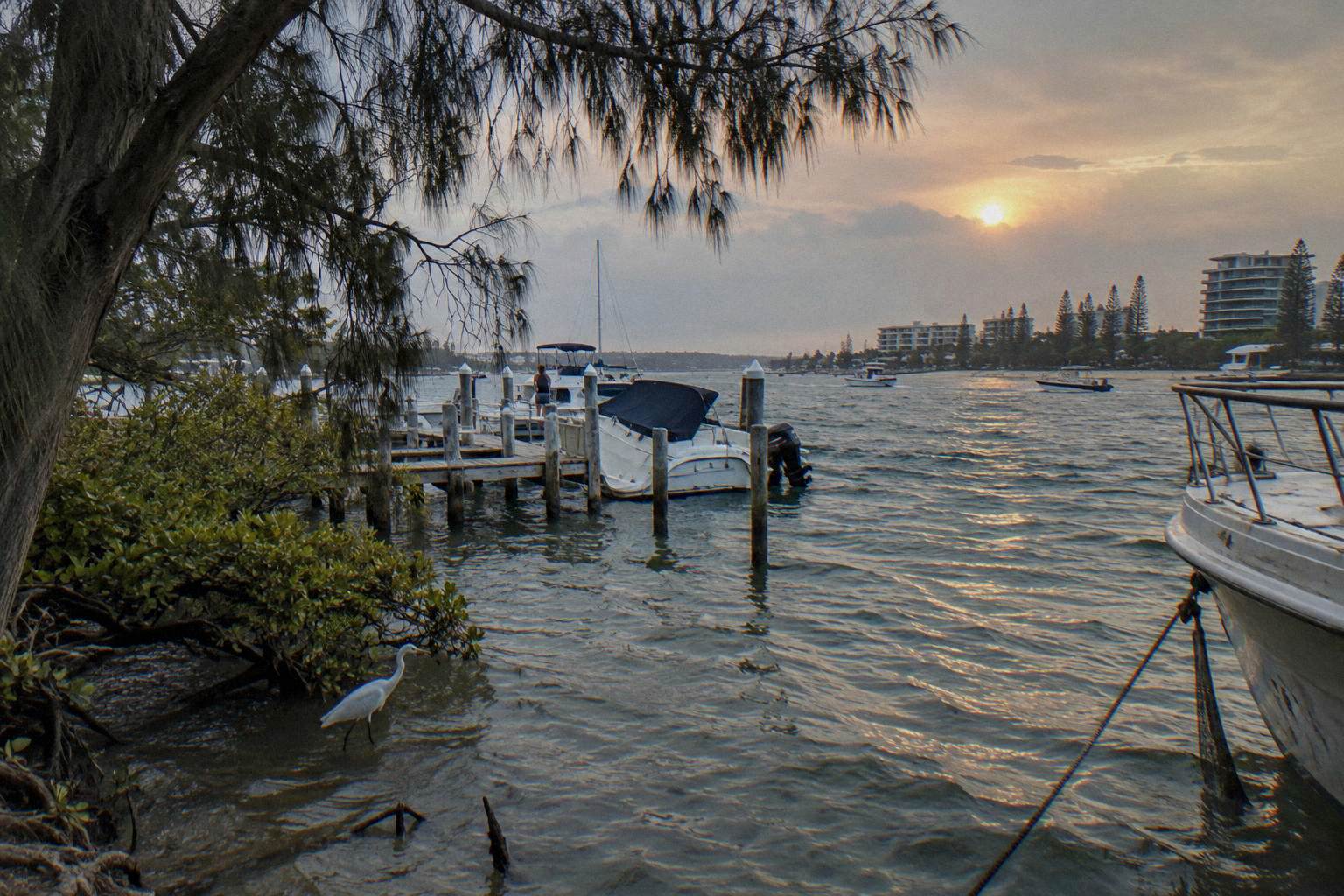
Birdlife is the closest thing to a dependable category on that circuit, and even then the operator keeps it conditional. The Osprey nest appears in the phrase quoted above, with the nest treated as a thing on the landscape rather than a bird you will watch. Ospreys nest around Australian estuaries and hunt over quiet water, which is why a nest site near a harbour gets a mention at all. Beyond that single reference, the operator publishes no bird list, no dolphin note, no turtle note and no seasonal wildlife calendar for the river. Any richer picture you build comes from general knowledge, not from the page selling you the seat.
The temptation is to read that silence as modesty and assume the river is full of animals the operator is too shy to name. Resist it. A business that could promise dolphins would say so, because dolphins sell seats. What the pages do say is where animals are actually described: on the ocean side of the river mouth. That is the division of the wildlife question at Mooloolaba, and the rest of the decision follows from it.
Which Cruise Format Gives You The Most Time On The Water?
The longest time on the water comes from the 2-hour formats: the Bushtucker Cultural Cruise, the Sunset Cruise With Live Music, and the Whale Watching Cruise, which heads out onto open ocean rather than the river. The Seafood Lunch Cruise from A$75 and the Coastal Sunset Cruise from A$55 both run 1 hour 30 minutes, while the Original 1-Hour Canal Cruise from A$38, the 1-Hour Canal Sunset Cruise from A$40, and the Aquaduck Amphibious Tour from A$56 each run 1 hour.
All amounts here are Australian dollars, and every figure is a booking-page from-price per person that varies by date and group size, with the booking page showing the price for your date. What the money buys, in wildlife terms, is minutes of drift past the same harbour and canal corridors described above. The two-hour formats push further: the Bushtucker Cultural Cruise, from A$120 per person, runs 2 hours with a welcome drink, native canapes and dessert built around First Nations storytelling, and the Sunset Cruise With Live Music, from A$89 per person, runs 2 hours with a grazing box and welcome drink. Both stay in the family of Wharf-based harbour trips, and neither publishes a wildlife list either.
The format choice is therefore about comfort and interest, not animal odds. A family weighing the classic canal circuit against the amphibious bus can compare directly in the Mooloolaba canal cruise or Aquaduck comparison, which breaks down the two one-hour formats side by side. A reader deciding between an evening run and a lunch run has the same kind of breakdown in the sunset cruise or lunch cruise comparison. Wildlife barely moves those needles, because no operator claims it does.
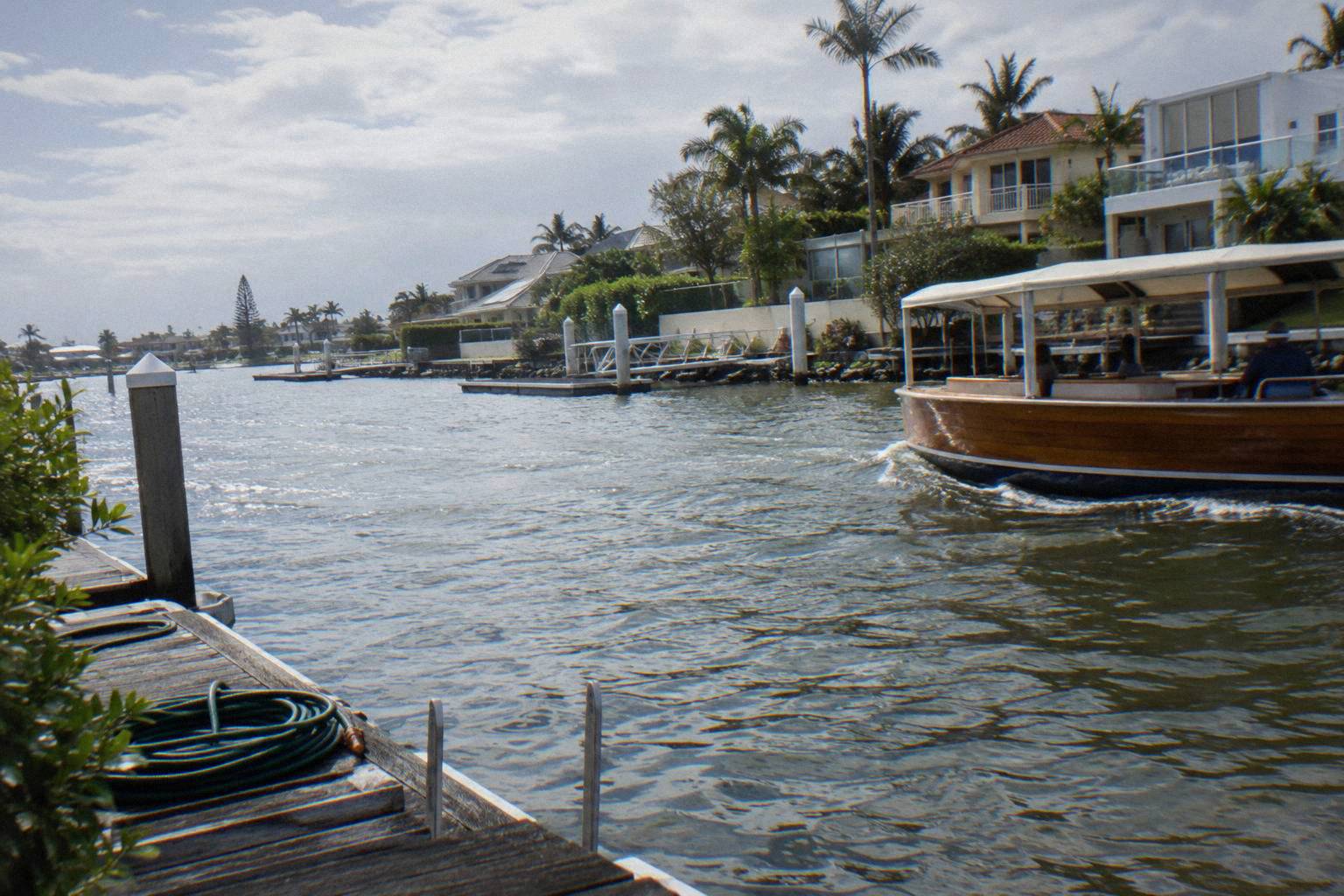
The three cards span the realistic spread: from A$38 per person for the one-hour circuit, from A$40 per person for its sunset twin, and from A$75 per person for the ninety-minute lunch trip, the cruise with the most reviews at 4.8 from 900+ reviews. Between them they answer the time-on-water question completely, and none of the three claims an animal.
The Turtle Question: Why Turtles Belong To The Open Coast
Turtles at Mooloolaba belong to the open coast because the tour built around them runs there, not through the canals: The Turtle Tour By Raft, from A$79 per person, is a 1 hour open-coast raft trip to Mudjimba Island, departing from The Wharf's marina-side jetty next to the Prawn Star floating restaurants. Its booking page says turtles may be spotted, a maybe, never a promise, and readers set on turtles book this format, not a canal circuit.
The distinction is geographic and the operators keep it clean. The canal-cruise boat stays inside the river and canal system; the raft leaves the harbour for open coast. The raft listing's own wording, that turtles may be spotted, is the strongest animal language on any page in this set, and even it stops short of promising. The operator's page states no age rule and no wildlife list beyond turtles, and where sources disagree on duration the figure to plan around is the 1 hour above. Free cancellation up to 24 hours applies on the booking page.
What that means for planning is a fork. If turtles are the whole point of the day, the raft is the only trip whose page names them, and it should be the booking. If turtles are a nice bonus to a day that is really about the harbour, the river formats are the better spend, taken with the understanding that no river page mentions turtles at all. A fuller walkthrough of the trip sits in the Mooloolaba turtle rafting tour guide, which covers the meeting point, the island run and what is and is not included.
One caution belongs here because it trips people up: Mudjimba Island is offshore, and the sea between the river mouth and the island is not the still water the canal boats advertise. Anyone who chose a river cruise specifically because it avoids open water should not swap to the raft lightly. The formats are different products for different readers, and the operator pages treat them that way.
Why River Cruises Never Go Whale Watching
River cruises never go whale watching because whale watching at Mooloolaba happens outside the river, in the open ocean: whale boats leave the dock, take about 15 minutes to reach open water, and spend 2 to 3.5 hours on the water during a June to early November season. The Whale Watching Cruise sold here, from A$115 per person for 2 hours, is one such open-water trip, and no river or canal cruise on this coast sees whales.
The Queensland Government's whale page gives the biological frame without a Sunshine Coast season: humpbacks reach about 16 metres and 30 to 45 tonnes, and white whales are rare and never promised. That government page describes humpback migration and protection rules for readers who want the species detail. The season window, June to early November, comes from operator pages, with June and July boats meeting northbound whales, August and September a crossover, and September and October the southbound return. The booking details for the Whale Watching Cruise are thin: its operator and boat are not published, so ask when you book.
The river's involvement in a whale trip begins and ends at the jetty. One regulatory note applies on the way out: Maritime Safety Queensland lists the Mooloolah Bar as a designated coastal bar, and on a designated bar lifejackets are compulsory for everyone on an open boat or in an open area of any boat. That rule bites the ocean-going trips and private hire, not the canal boats, which never cross the bar. It is a useful shorthand for the whole divide: the bar is the line between the two wildlife stories at Mooloolaba.
Readers who have seen canal-cruise photos and wondered whether a whale might wander up the river have a dedicated answer in the can you see whales from a canal cruise post. The short version is no, and the operators' own route descriptions are the reason why.
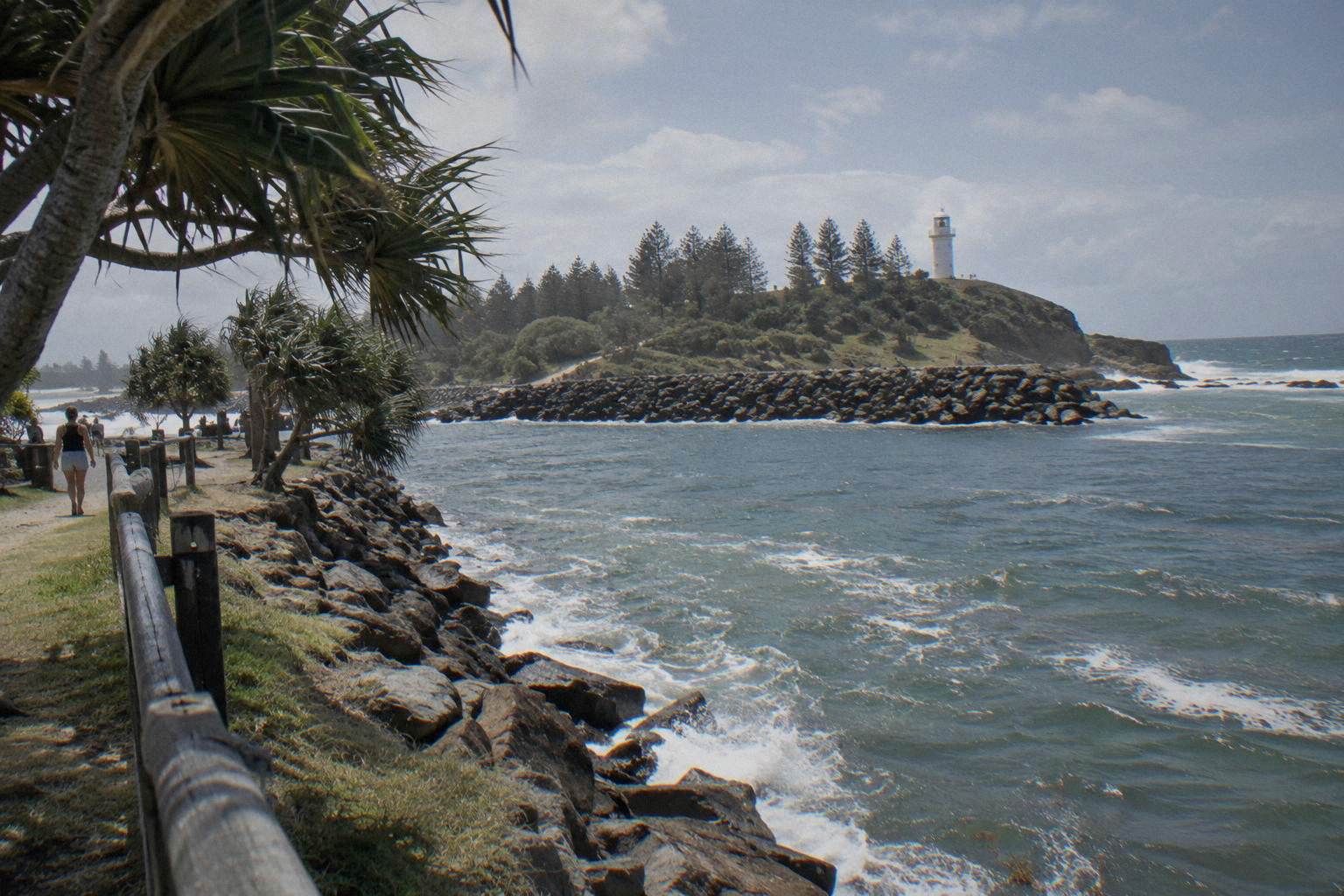
The headland at the mouth is Point Cartwright, a rocky point whose lighthouse opened on 10 September 1979, named Point Raper in 1861 and renamed around 1885. Point Cartwright's history is documented separately, and it marks exactly where harbour water gives way to ocean. No cruise page promises a view of it from any particular trip, but as geography it is the hinge of the whole question.
The Aquaduck: A One-Hour Family Format With No Wildlife Claims
The Aquaduck is a one-hour amphibious bus tour from A$56 per person, rated 4.7 from 170+ reviews, departing Parkyn Parade outside SEA LIFE, and it makes no wildlife claim anywhere on its pages. Its draw is the vehicle itself, a bus that tours on land and water, so families choosing it over the canal cruise are buying a novel ride, not animals.
The group size is up to 29, the meeting point is 20 minutes before departure outside SEA LIFE, and free cancellation up to 24 hours applies on the booking page. No minimum age and no rain policy are published, so ask the operator before booking with small children or on a doubtful forecast, and the does the Aquaduck run in the rain post covers what is and is not published on that point. In wildlife terms there is nothing more to say, because the operator says nothing more.
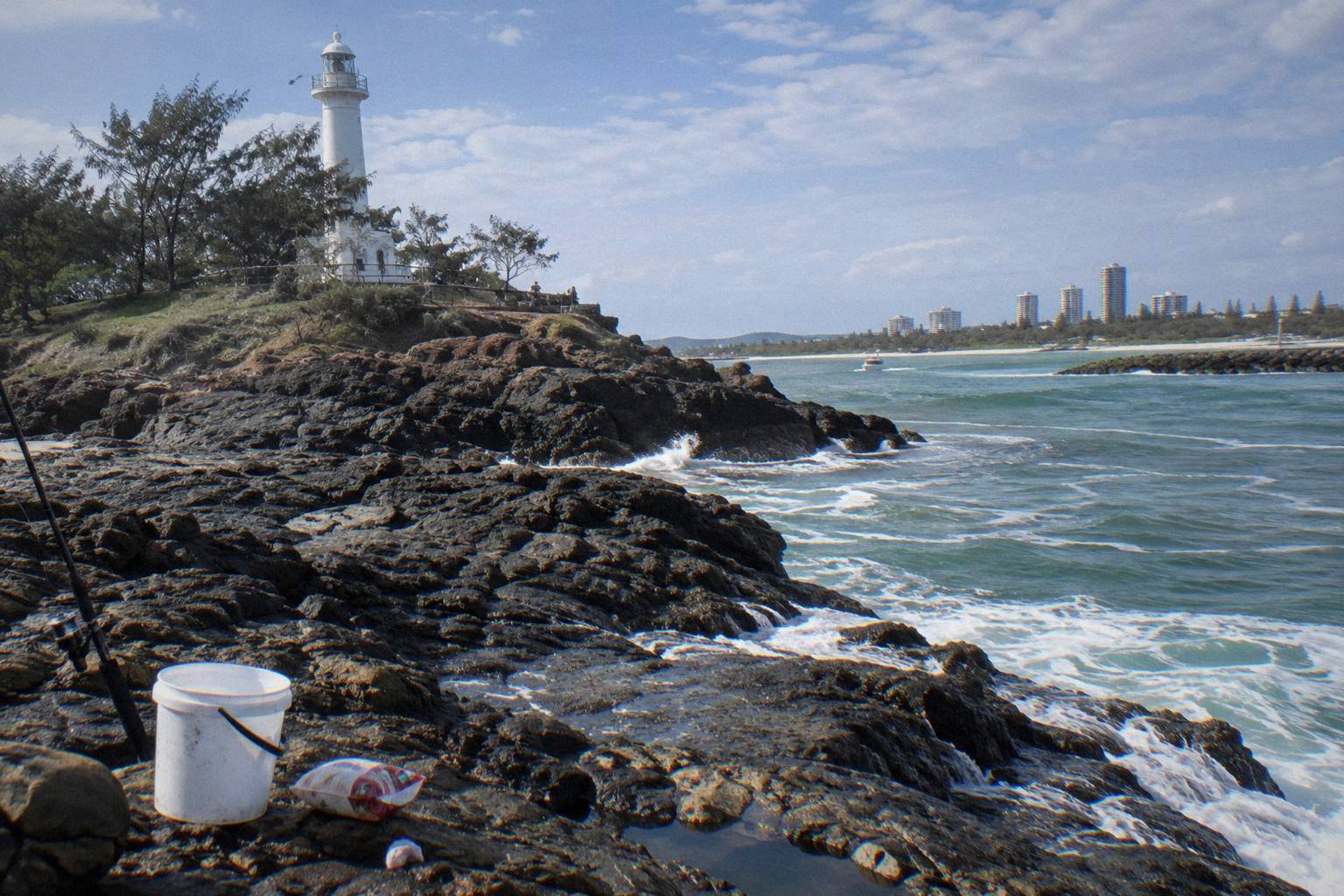
Families often pair the Aquaduck with SEA LIFE on the same esplanade, which is the reliable way to put animals in a Mooloolaba day: an aquarium is a sighting you can plan. Check SEA LIFE's own site direct for tickets, hours and animals. The pattern is worth naming: the harbour gives you water and maybe a bird, the open coast gives you maybe a turtle, and a booked aquarium gives you certainty if the day needs it. The wider set of guides lives on Mooloolaba River Cruises.
Ospreys, Pelicans And The Fishing Fleet: What The Commentary Actually Covers
The commentary is specific and modest: it covers the route past the Wharf and Marina, Minyama Island and the Kawana canal system, the run toward the river heads past La Balsa Park, the view from Mooloolaba Beach to Noosa Heads, and the fishing fleet. The Osprey nest and pilot boats appear in a single "may even catch a glimpse of" phrase, guests may take the helm beside the skipper, and this is scenery and industry rather than a safari.
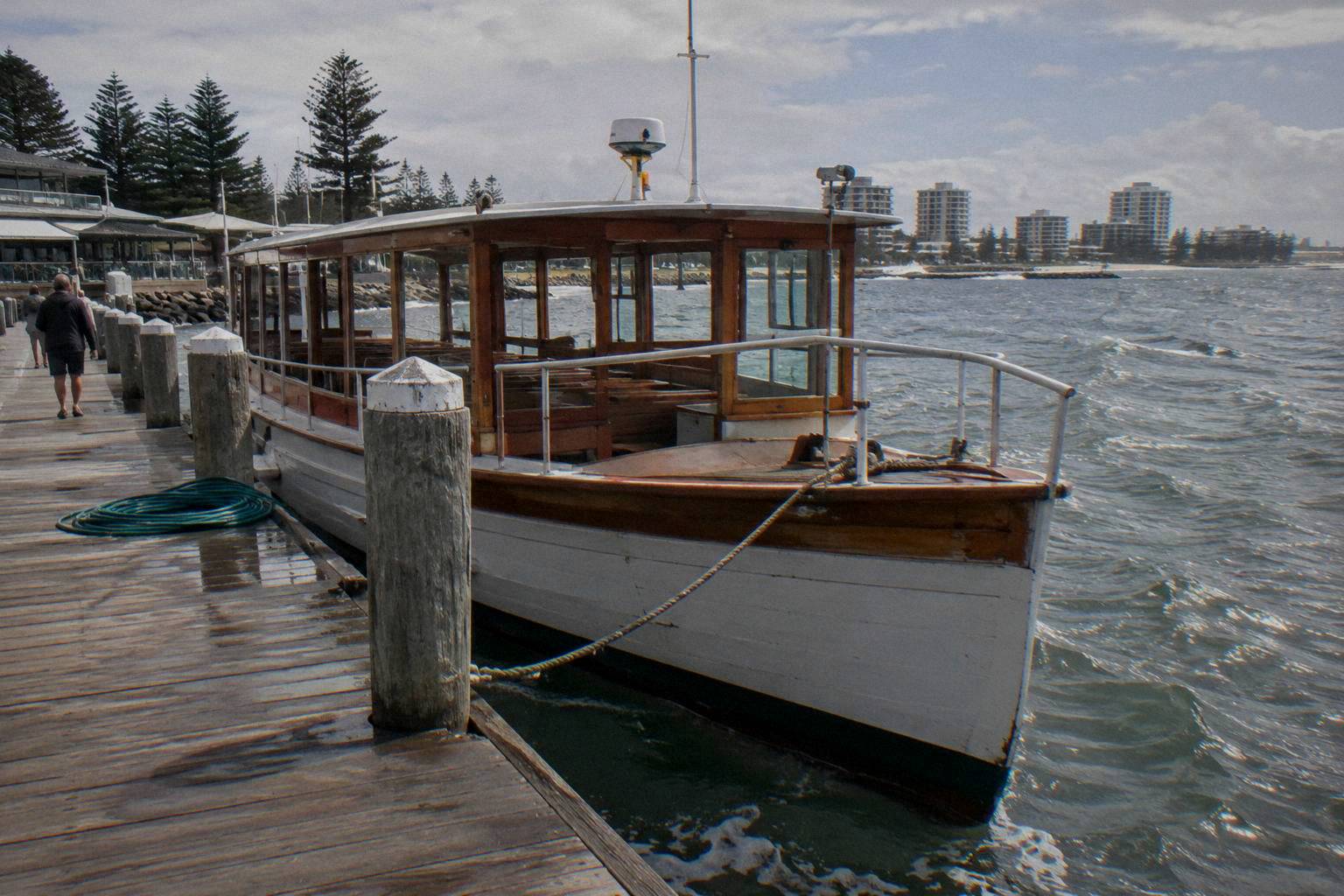
The boat carrying it is part of the story. The MV Mudjimba is timber, built in 1963 with oak planking and bunya pine as the Brisbane cross-river ferry John McMaster, running Hamilton to Bulimba, and brought to Mooloolaba in 1990, all per the operator's about page, which describes the one-hour route and vessel. The family behind it bought the business in 2021 and refurbished the boat, continuing an operation the operator says has run from The Wharf for over thirty years. A covered all-weather boat with open sides that can be closed, a licensed bar, a small toilet and snacks to buy round out the practicalities, with check-in 15 minutes before departure.
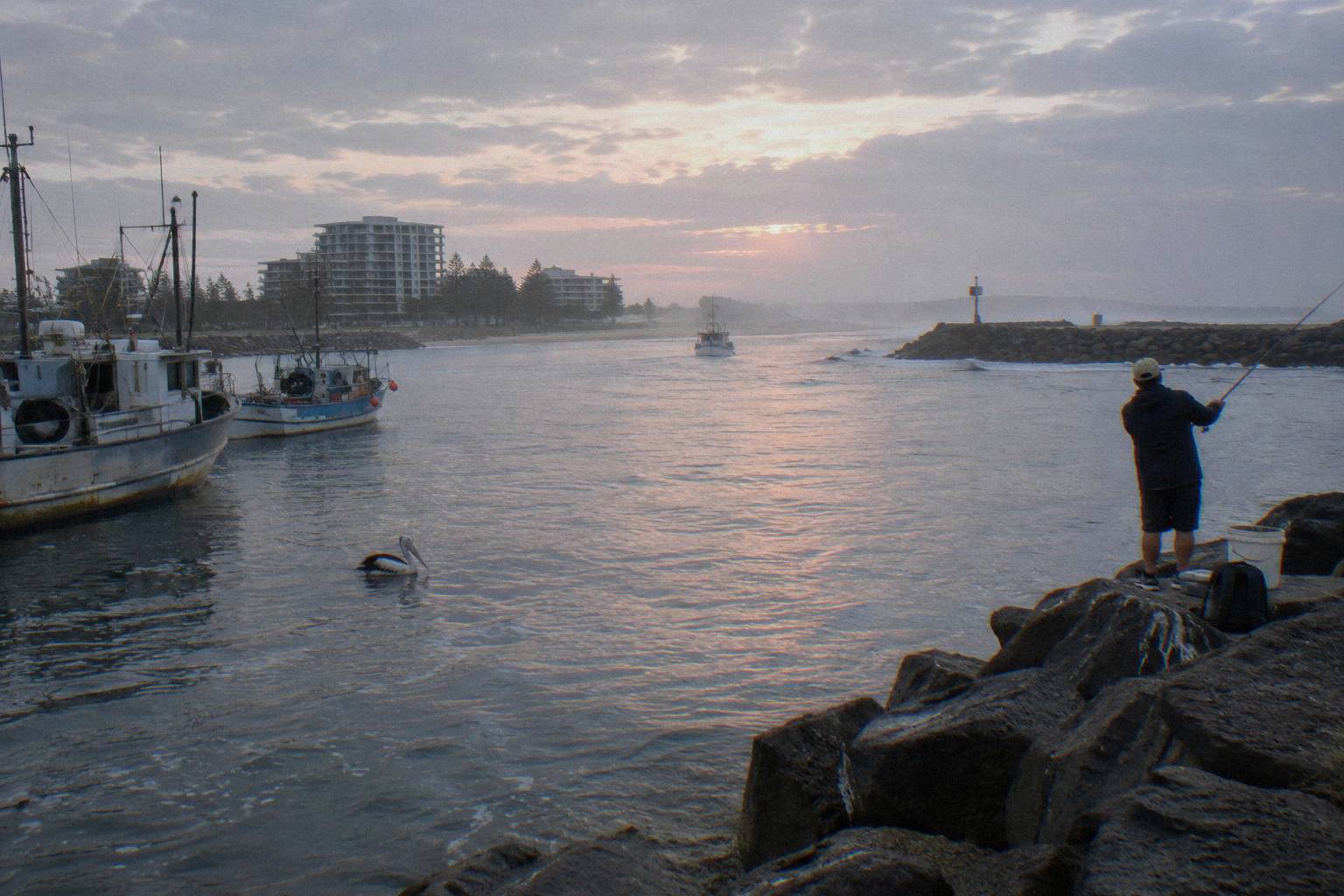
The fishing fleet deserves its own sentence, because it is the most reliable living thing adjacent to the trip, in the loosest sense. The operator's claim of Australia's largest long-line fishing fleet is an operator claim and stays attributed, but a working fleet means working boats, and working boats mean the scavengers that follow harbours everywhere. No page names those birds, so neither will this one beyond noting that harbour birdlife is a background fact of Australian fishing ports rather than a Mooloolaba promise. Take binoculars if birds are your interest, and treat anything that flies past as a bonus.
The helm offer is the inclusion that surprises people, and it is real on both the operator page and the booking page: guests may take the helm beside the skipper. For children, that moment tends to outrank any animal, and the question is explored in the can kids steer the boat post. It is a good reminder of what a canal cruise is actually selling: participation in a small working boat's circuit, with commentary, in still water.
What Each Source Actually Says About Wildlife
Put side by side, the published wildlife language across every trip in this set is thin, conditional and confined to the ocean side, while the river pages offer one hedged bird reference. The table below is the whole picture: no river trip names a dolphin, a turtle or a whale, and the two animal mentions that exist both carry conditional wording and both belong to open-coast products. Read it before booking anything on the strength of an animal.
| Trip | Water covered | Wildlife wording published |
|---|---|---|
| Original 1-Hour Canal Cruise | River and canal system only | Guests "may even catch a glimpse of" pilot boats and the Osprey nest |
| 1-Hour Canal Sunset Cruise | River and canal system only | None published |
| Coastal Sunset Cruise | Harbour, river and canals | None published |
| Seafood Lunch Cruise | Harbour, river and canals | None published |
| Sunset Cruise With Live Music | Harbour and river | None published |
| Bushtucker Cultural Cruise | Harbour and river | None published |
| Aquaduck Amphibious Tour | Land tour plus harbour water | None published |
| Turtle Tour By Raft | Open coast to Mudjimba Island | Turtles may be spotted |
| Whale Watching Cruise | Open ocean past the bar | Season June to early November on operator pages |
The pattern in that table is the article's core finding, and it is worth stating plainly: the closer a boat stays to The Wharf, the less its page says about animals. A second table helps with the money and time side of the same decision.
| Trip | From price per person | Duration | Group size up to |
|---|---|---|---|
| Original 1-Hour Canal Cruise | from A$38 | 1 hour | 30 |
| 1-Hour Canal Sunset Cruise | from A$40 | 1 hour | 30 |
| Coastal Sunset Cruise | from A$55 | 1 hour 30 minutes | ask the operator |
| Aquaduck Amphibious Tour | from A$56 | 1 hour | 29 |
| Turtle Tour By Raft | from A$79 | 1 hour | 23 |
| Sunset Cruise With Live Music | from A$89 | 2 hours | 30 |
| Whale Watching Cruise | from A$115 | 2 hours | ask the operator |
| Bushtucker Cultural Cruise | from A$120 | 2 hours | 30 |
| Seafood Lunch Cruise | from A$75 | 1 hour 30 minutes | 35 |
A third cut, for a reader choosing by water type rather than price, sorts the same nine trips by what you actually travel on.
| Water type | Trips | Animal mention on any page |
|---|---|---|
| Still river and canals | Original 1-Hour Canal Cruise, 1-Hour Canal Sunset Cruise | Osprey nest, conditional |
| Harbour, river and canals | Seafood Lunch Cruise, Coastal Sunset Cruise, Sunset Cruise With Live Music, Bushtucker Cultural Cruise, Aquaduck Amphibious Tour | None |
| Open coast | Turtle Tour By Raft | Turtles, conditional |
| Open ocean | Whale Watching Cruise | Season dates only, no sighting promised |
Mooloolah River National Park: The Wildlife You Cannot Reach By Boat
Mooloolah River National Park protects coastal lowland remnants, rainforest, eucalypt woodland, melaleuca, wallum banksia, scribbly gum and wallum heath, and it sits inland, within ten minutes drive from Mooloolaba, reachable on foot only. No cruise visits it, no boat accesses it, and it has no camping and no campfires. For a reader whose wildlife interest is habitat rather than harbour, it is a separate half-day of walking, not a cruise add-on.
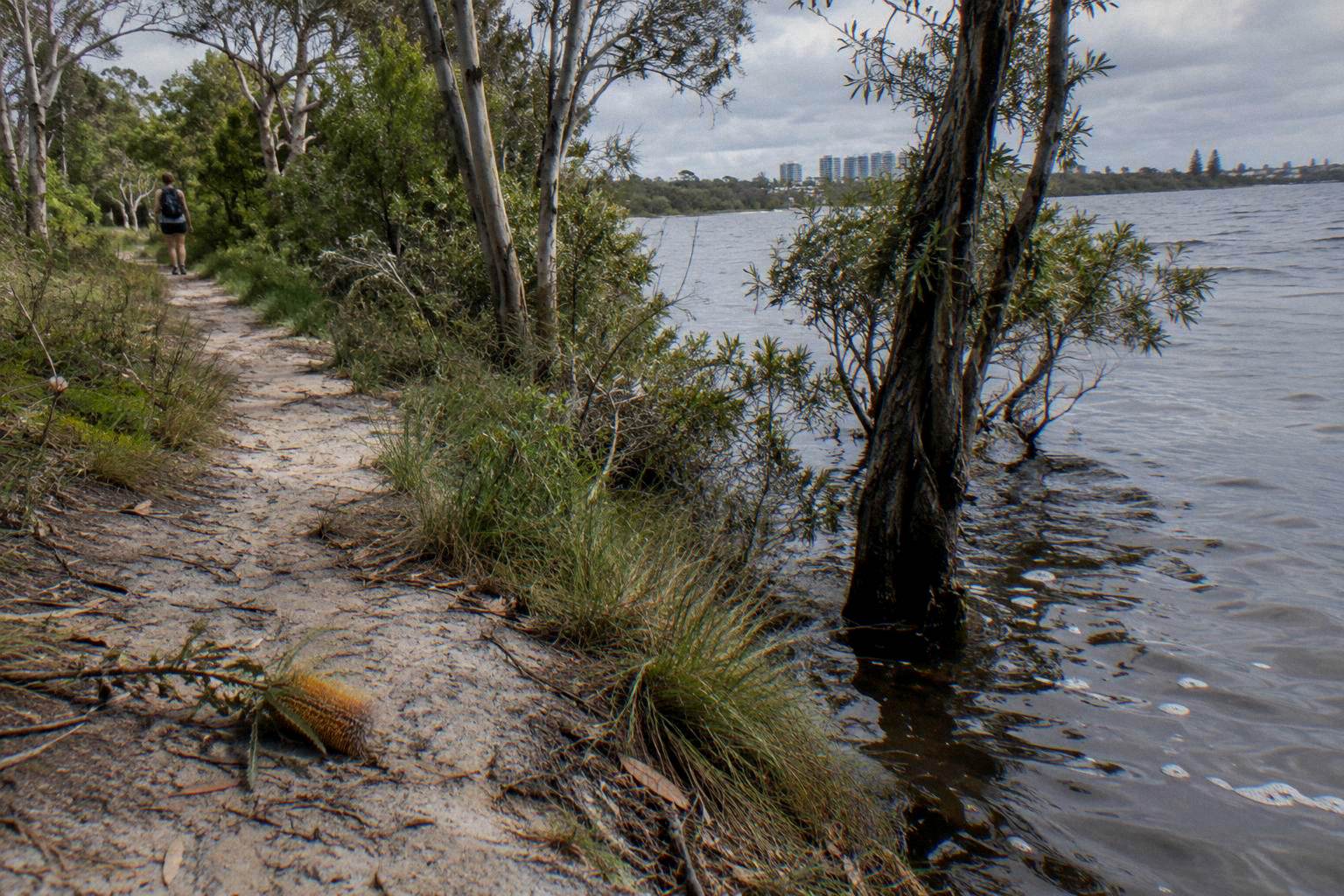
The park's plant communities are exactly the kind that shelter ground birds and reptiles, but no wildlife inventory for it appears in any source here, so none is offered. The Queensland Parks page describes the park's vegetation and walking access for readers planning the walk. The trap to avoid is map-logic: the name says Mooloolah River, the cruises say Mooloolah River, so surely one serves the other. The park is not on the navigable harbour, and every cruise route listed above stays in the developed system of canals and islands around The Wharf. Two experiences, one shared name.
This is also the cleanest illustration of how the wildlife question gets confused in search results. A reader typing the river's name finds the park, the cruises, the whale boats and the raft tour in one blend, and assumes a single ecosystem with a single boat. The reality is three separate outings: a harbour circuit, an open-coast raft run and an inland walk, each booked, driven and timed differently. Pairing the walk with an afternoon canal cruise is a genuine full day, and the Mooloolaba cruise day plan guide lays out how the timing can work.
What To Ask The Operator Before You Book
Before you pay, ask five questions: what the commentary covers on the day's route, what the plan is if weather turns, what age and access rules apply to your group, what the cancellation terms say for your date, and where the boat goes if conditions change. No operator publishes all five answers, so asking directly is the only reliable way to fill the gaps.
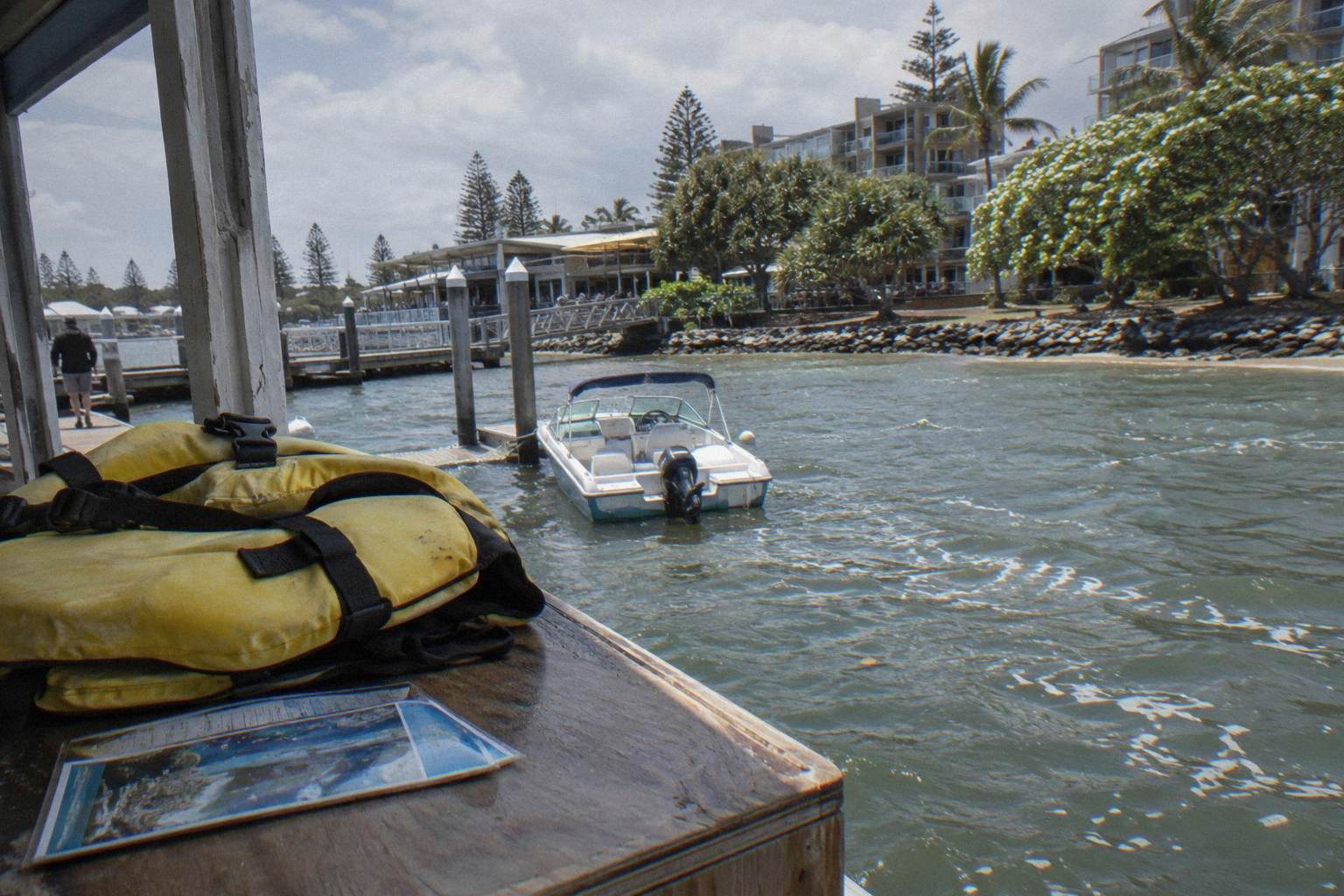
First, ask what the trip covers if wildlife is your aim, since the pages hedge and the skipper on the day knows the recent pattern better than any web page. Second, ask about weather: every operator here may cancel or reschedule for weather or low numbers, and the Saltwater Eco Tours FAQ says the operator will be in touch to reschedule or resolve a booking if weather makes a departure unsafe or unpleasant, which is the clearest published wording of the set. Third, ask about ages and access: the canal boats are not fully wheelchair accessible, with a ramp plus 3 steps up and 3 down, pets are not allowed except certified guide, hearing and assistance dogs, and no minimum age is published for the Aquaduck or the raft. Fourth, confirm the cancellation line on the booking page for the trip you choose. All nine trips carry free cancellation up to 24 hours for a full refund, but it still pays to check the wording before you book. Fifth, ask where the boat goes on the day, because a strong wind can change a harbour plan even when a departure still runs.
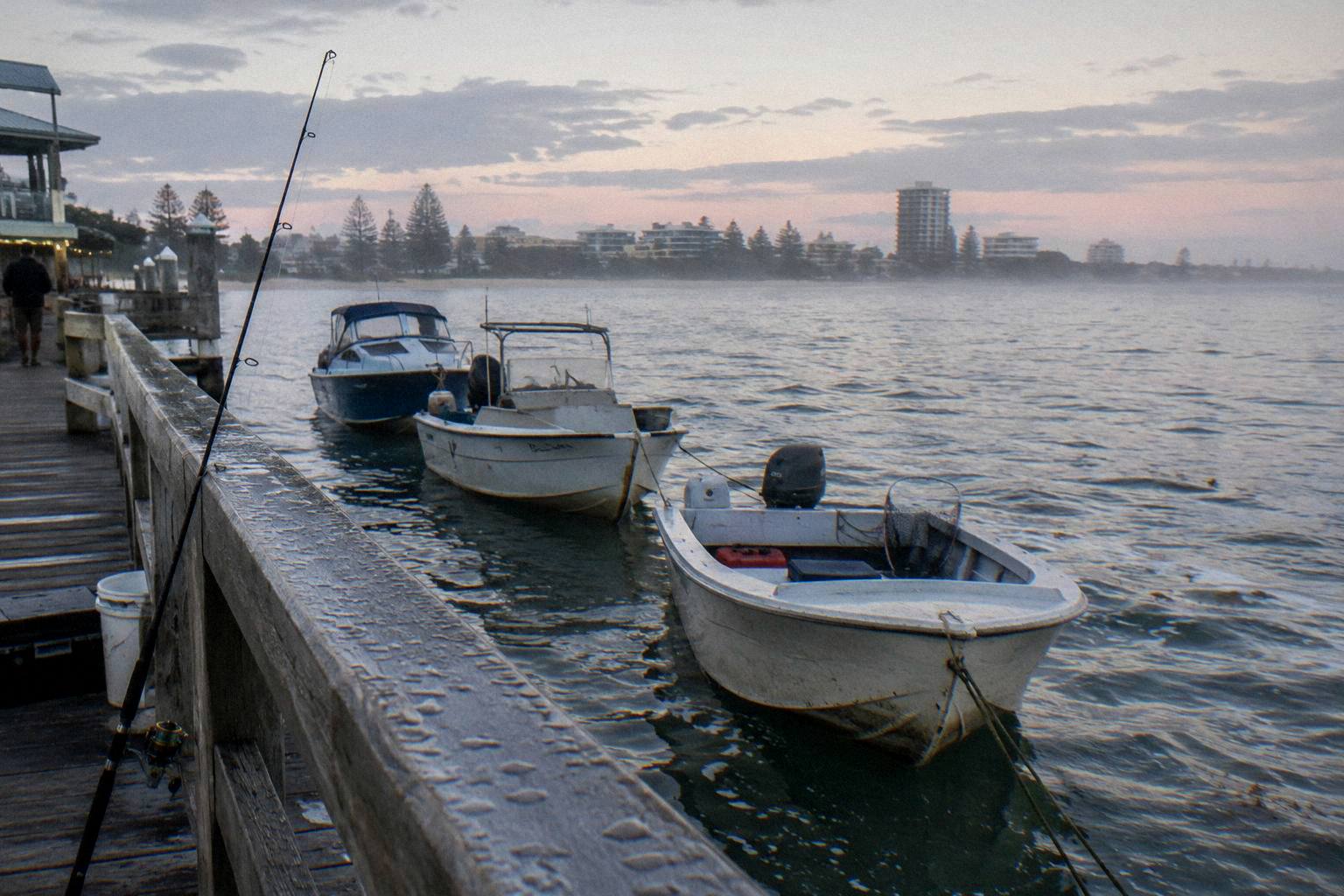
A practical checklist for the day itself: check in at the time the operator states, which is 15 minutes before departure at the canal boat's river-side jetty behind Rice Boi, 30 minutes before at the Wharf meeting points used by the lunch, sunset, raft and cultural trips, and 20 minutes before outside SEA LIFE for the Aquaduck. If your booking confirmation does not show a check-in time, ask the operator or check the live booking page before you leave. Bring a jacket between June and September, when the operator's own FAQ warns wind can be chilly and notes blankets on board. Use the Wharf car park's 4 hours of free parking if you arrive early, and know the paid multistorey with 700 spaces sits about 600 m away when the free one fills, which the operator says happens quickly at peak times.
For the trip at the centre of the comparison, the Original 1-Hour Canal Cruise tour page carries the full details, and you can check availability for your date. The canal-cruise family also runs the sunset version, and the Mooloolaba sunset cruise guide compares the evening options across operators without ranking them.
Common Mistakes When Hoping For Wildlife On The Water
The recurring mistakes are booking a canal cruise for turtles, expecting whales from the river, reading a maybe as a promise, assuming a departure always runs, and turning up at the wrong jetty. Each one is avoidable with a fact already covered above, and each one costs a reader a morning if it lands. Treat this section as the pre-booking gut check, five minutes that prevent the five most common disappointments.
Booking a canal cruise for turtles is the most frequent, because search results blur the river and the coast. Turtles belong to the raft trip's open-coast page, full stop, and swapping bookings on the jetty is not always possible on a busy day. Expecting whales from the river fails for the structural reason given earlier: whale boats leave the river for open ocean, and the canal boat's own FAQ states it never leaves the harbour system. Reading a maybe as a promise is the subtle one, so hold the exact published phrases in mind, "may even catch a glimpse of" and "may be spotted", and notice that both verbs are conditional.
Assuming a departure always runs is the mistake with the least sympathy from operators, because every page here reserves the right to cancel or reschedule for weather or low numbers. Build a plan B into the day, an aquarium visit, the national park walk, or simply a later departure. Turning up at the wrong jetty is pure loss: The Wharf complex has a river side, a marina side and a Parkyn Parade front, and the trips split across all three, with the canal boat behind Rice Boi, the raft next to the Prawn Star, the Saltwater trips by the blue tower, and the Aquaduck outside SEA LIFE. Save the meeting point from the booking page before you leave the house.
The last mistake is quieter: assuming drinks or food are included where they are not. The Seafood Lunch Cruise includes lunch with drinks extra, the cultural cruise includes a welcome drink, native canapes and dessert, the live-music cruise includes a grazing box and welcome drink, and the canal boats sell from a licensed bar and snack range. The Original 1-Hour Canal Cruise listing says you can bring your own food and drinks, but no bring-your-own rule is published for the other cruises, so ask each operator before you pack a cooler.
Common Questions About Wildlife On The Mooloolah River
Can You See Dolphins On A Mooloolaba Canal Cruise?
No river or canal cruise page at Mooloolaba mentions dolphins. A whale-boat operator at The Wharf says dolphins, rays and turtles are not unusual on its ocean trip, which is open water outside the river, not the canal system.
Can You See Turtles On A Mooloolaba River Trip?
No river cruise page mentions turtles. The only trip whose booking page names them is the Turtle Tour By Raft, from A$79 per person, a 1 hour open-coast raft trip to Mudjimba Island, and even that page says turtles may be spotted, never promised.
Can You See Whales From A Mooloolaba Canal Cruise?
No. Whale boats leave the river for the open ocean, about 15 minutes from the dock per operator pages, and the canal operator states its boat does not leave the Mooloolaba Harbour River and Canal System. Whales are an open-water season, June to early November, on whale-boat pages.
What Birds Might You See From A Mooloolaba Cruise?
The only published bird reference is the Osprey nest on the Original 1-Hour Canal Cruise page, in the phrase that guests may even catch a glimpse of it, alongside pilot boats. No operator publishes a bird list for the river or canals.
Which Mooloolaba Cruise Is Best For Wildlife?
No river or harbour cruise promises an animal. If animals are the goal, the open-water products are the ones whose pages mention them: the Turtle Tour By Raft for turtles and the Whale Watching Cruise, from A$115 per person, for the June to early November whale season on operator pages.
Is Mooloolah River National Park On Any Cruise Route?
No. The park is inland, walking only, with no camping, and sits within ten minutes drive from Mooloolaba. No cruise visits it and no boat accesses it, so it is a separate walk, not a cruise stop.